I Spent It All! Helping Kids Slow Down and Spend with Purpose
Kids are asking about Bitcoin. This guide helps parents and educators explain cryptocurrency with confidence, not confusion.

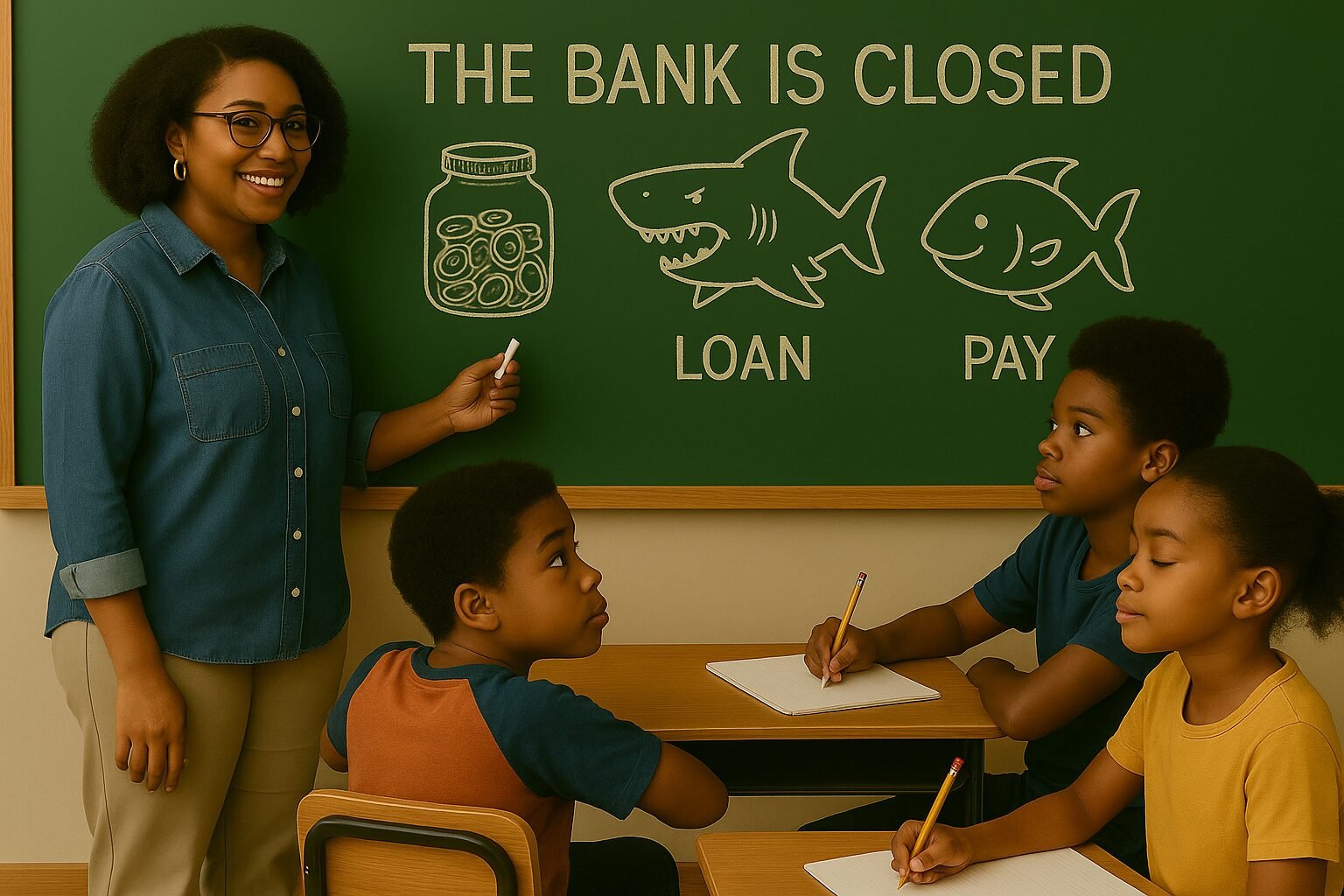
Lately, a lot of parents have been whispering the same thing online:
“My kid keeps asking for money like it’s no big deal. Do they think I’m a walking ATM?”
If this sounds familiar, you’re not alone. From subreddit threads to private parenting forums, the question keeps bubbling up. “How do we teach kids (especially tweens) the real meaning of borrowing? Not just “Can I have $10?” but what it actually means to take, use, and return.”
Let’s talk about how to shift that mindset early—and make the idea of borrowing fun to learn and easy to live out.
Max is 11 and loves the snack bar at school. One day, he forgets his lunch card and asks his best friend Jordan to spot him $5. No big deal—until a week goes by and Max hasn’t paid Jordan back. When Jordan finally asks, Max shrugs, “I’ll get you next week.”
But that $5 turns into a sore spot. Jordan feels awkward, Max feels cornered, and neither one learned anything about what a loan really is.
What Max needed wasn’t just money. He needed a lesson in borrowing.
Imagine you could borrow money from your future self. That’s what a loan is. You’re saying, “Hey Future Me, can I use $20 today and pay you back later?”
But Future You will say:
“Sure, but I want $22 back. That extra $2 is interest—for the risk and the wait.”
The earlier kids understand that money isn’t just “there” for the taking, the better they’ll be at managing it later.
Final Thought
Money isn’t magic, and it’s not free. But with the right conversations (and a little role play), kids can start to see borrowing not just as a “yes” or “no” question—but as a responsibility. You’re not just raising a child who knows how to ask. You’re raising a future adult who knows how to plan.
At Kash Kids, we equip children with the tools to make smart money choices for life. Through hands-on lessons in financial literacy, we help kids build confidence, form healthy habits, and understand the value of every dollar. When children learn how money works early, they grow up ready to lead, save, invest, and thrive.